
Sensor Sweep: Tolkien, Robert E. Howard, Edgar Rice Burroughs

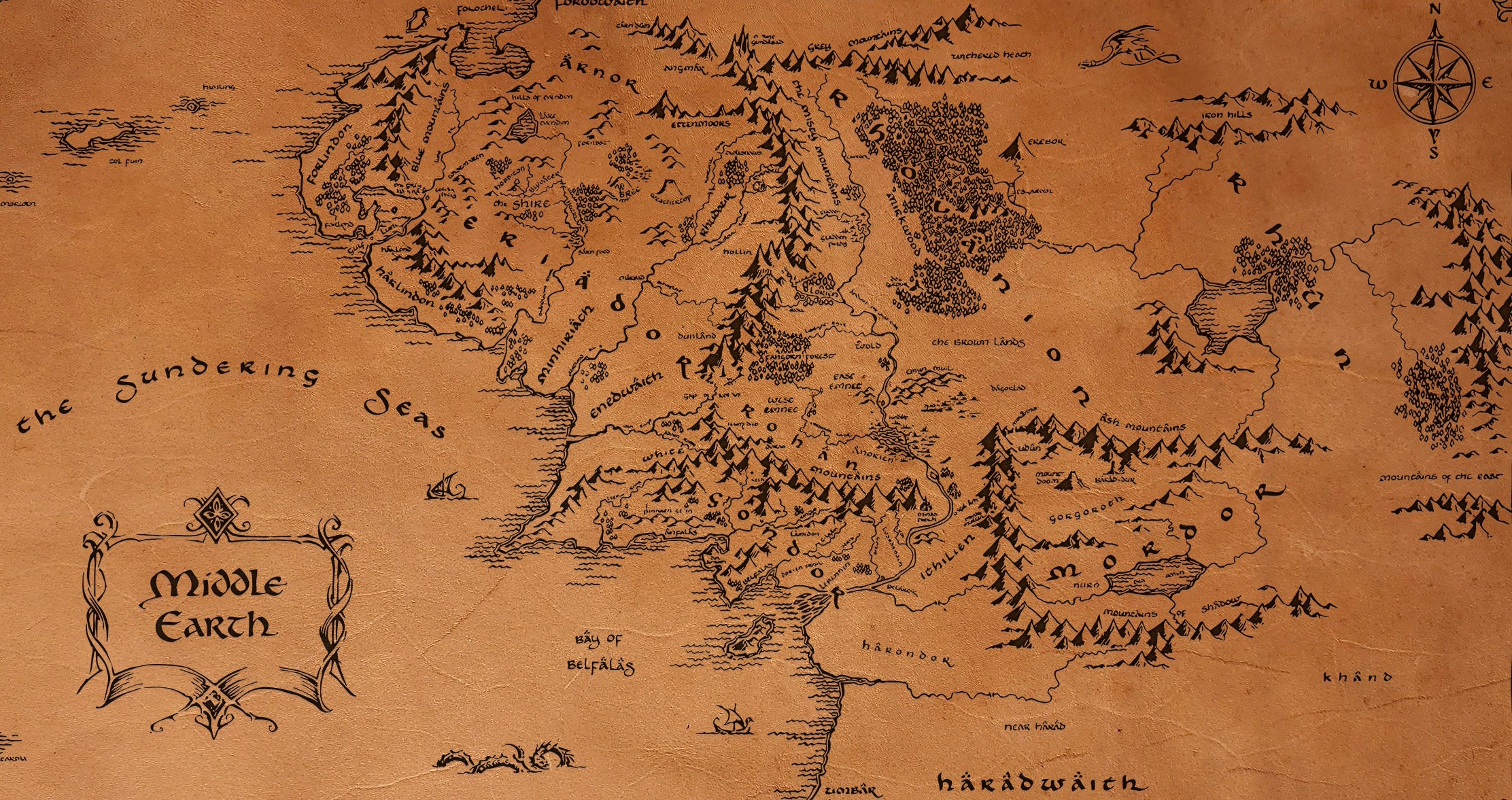
Tolkien (Literary Hub): My first interest in J.R.R. Tolkien was apparently caused by the infamous Barbara Remington artwork used for the covers of the Ballantine mass-market editions. When my father bought his paperback copies of The Lord of the Rings at the Cornell University bookstore in 1969, the three volumes came with a free poster of the Map of Middle-earth, also illustrated by Remington.
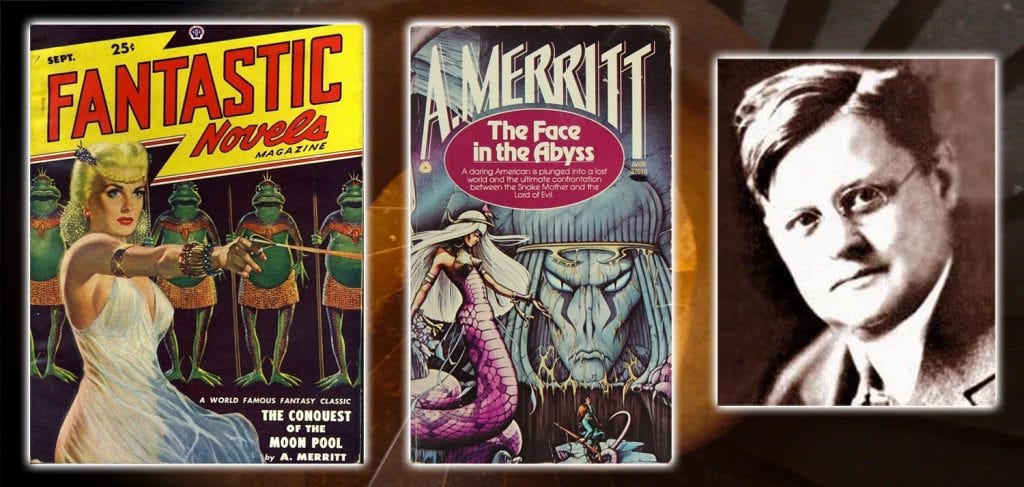
Authors (Goodman Games): After listing all of the books and authors that inspired him, Gary Gygax concluded Appendix N of the Dungeon Masters Guide by stating, “The most immediate influences upon AD&D were probably de Camp & Pratt, REH, Fritz Leiber, Jack Vance, HPL, and A. Merritt.” Most of the writers he mentioned ought to be well known to devotees of fantasy and with good reason: their works form significant parts of the foundation upon which the genre was subsequently built.

Cinema (Art of the Movies): You’ve got to feel sorry for werewolves. Not only is it a pretty undignified situation, waking up naked in a bush smeared in blood with no recollection of the previous evening (although par for the course on a Saturday night out in England), you’re always playing second banana to those damned vampires.
Star Trek (Nerdrotic): There’s No Coming Back from Starfleet Academy, Kurtzman KILLED Star Trek.
Louis L’Amour (Woman of Letters): Recently, I made a strong attempt to understand the appeal of one of the best-selling authors of all time: Louis L’Amour. Louis L’Amour sold over three hundred million books, almost all of them paperback Westerns. He is twenty-eighth in Wikipedia’s not-at-all-complete list of the best-selling authors of all time. And…I think it’s fair to say that even other writers of Westerns feel like L’Amour isn’t particularly good.
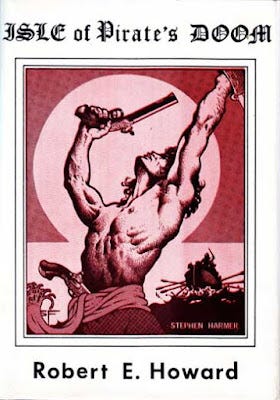
Robert E. Howard (Comics Radio): A couple of weeks ago, we took a look at a Robert E. Howard story that was unpublished in his lifetime, despite being quite good. Today, we’ll look at another one--”The Isle of Pirate’s Doom,” a novella REH wrote in 1928. It eventually popped up in various paperbacks. Nowadays, we’re living in an REH Renaissance, where most if not all of his stuff can be found online or in various reprints.
Games (Sargon of Akkad): 2026 Will Be the Year of the Chud
Gothics (Paperback Warrior): In this episode, I’m talking with Nick from The Book Graveyard and Chris from Liminal Spaces about a 1969 paperback titled To the Dark Tower by Weird Tales author Frank Belknap Long. Is the book an early representative of folk horror? Is it a standard gothic romance paperback? What are the ties to Lovecraft’s cosmic horror? We have the answers in this newest episode of the Guide to Gothics series.
Detective Fiction (Shortlist): The 30 greatest literary detectives of all time: best literary detectives revealed.
Edgar Rice Burroughs (Pulp Super Fan): The original Burroughs Bulletin ended in 1977. Later in 1990, the group was re-organized by George McWhorter, who restarted the Bulletin with new numbers as the “New Series.” When I joined, I was working to complete my set of the New Series, which I am still working on.
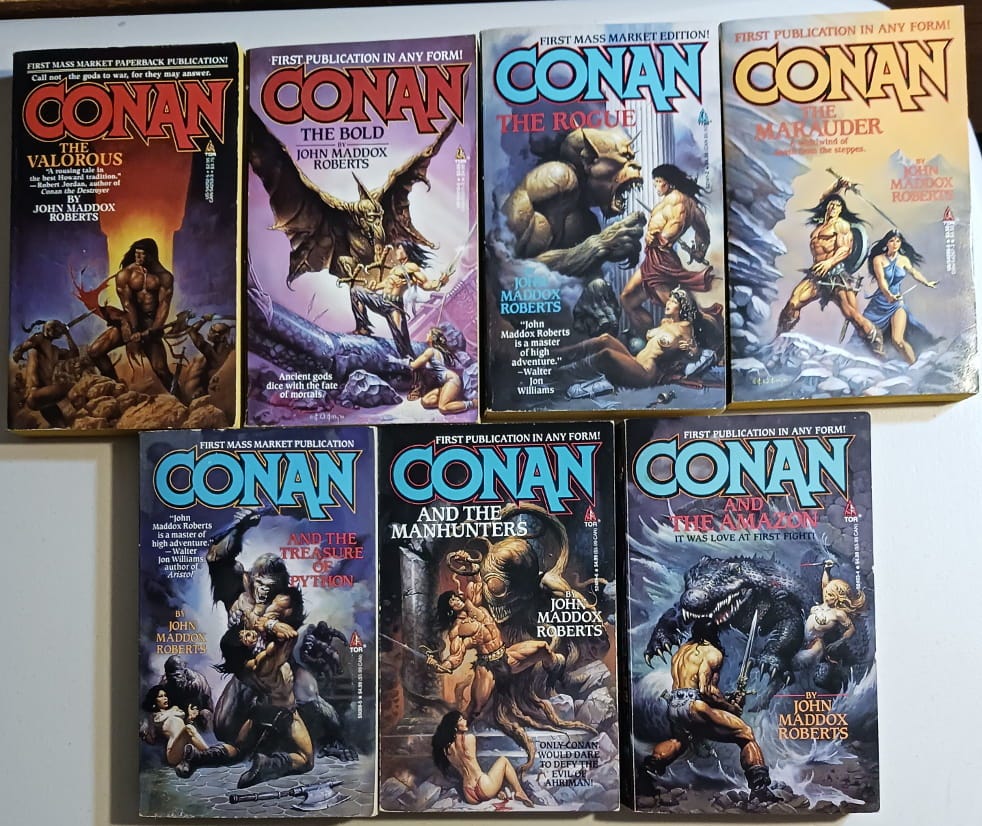
Conan (Black Gate): The name John Maddox Roberts (1947 – ) first came to my attention as a writer of Conan sword & sorcery pastiches from Tor. He wrote eight, and when I talk to other REH fans Roberts’ name is almost always listed near the top of the Conan pastiche writers.
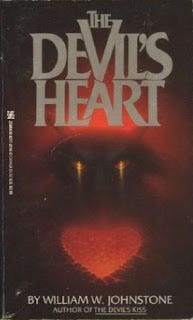
Fiction (Glorious Trash): Eleven years ago I read The Devil’s Kiss, the first volume in the Devil’s series by William W. Johnstone, and at the end of my review I promised that I’d move on to this second volume once I’d sufficiently recovered. Well, it didn’t take me that long, and it’s mostly because I read other Johnstone novels in the interim, but I’m finally now recovered enough to read this second volume of the series.
Cinema (Diversity & Dragons): “Excalibur” - The Greatest Fantasy Movie of All Time!
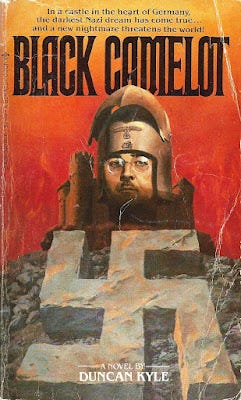
Fiction (Por Por Books): Black Camelot’ first was published in 1978; this Berkley Books edition (282 pp.) was issued in January, 1980. The cover artist is uncredited. Author Kyle published a number of paperback thrillers and adventure novels in the 1970s and 1980s. The cover for ‘Black Camelot’ presents the novel as a sort of ‘Castle Wolfenstein’ adventure, wherein a commando team must penetrate a Nazi redoubt where some sort of secret science fictional or supernatural program is under way, with the goal of ensuring victory for the Third Reich.
Radio (Dark Worlds Quarterly): Last time we presented stories from John W. Campbell’s Astounding Science Fiction that made their way onto the Radio. This time the picking is much easier with a dozen from Horace L. Gold’s Galaxy, one of two newcomers to SF in the age of digests.
Tolkien (Valpo.edu): This paper explores the belliphonic—the sonic dimension of warfare—in J. R. R. Tolkien’s The Lord of the Rings, focusing on the Battle of the Pelennor Fields. While modern warfare studies emphasize the sounds of mechanized combat, the acoustic landscapes of ancient and medieval battles remain understudied.
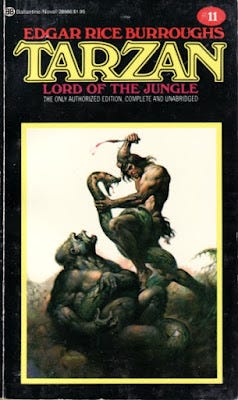
Edgar Rice Burroughs (M Porcius): It is time to read Tarzan, Lord of the Jungle, the eleventh Tarzan book, which first appeared in serial form in 1927 and 1928 across five issues of Blue Book. (The covers of the first two of those issues promoted Burroughs’ latest latest Tarzan adventure with illustrations; the second cover was by famous illustrator J. Allen St. John.)
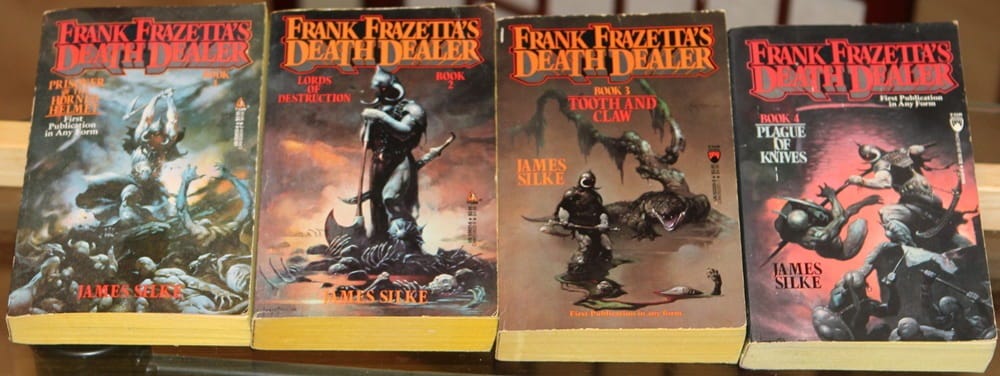
Fantasy (Black Gate): James Silke (1931 – ) is something of a renaissance man in the arts. He’s a visual artist and prose writer, a set and costume designer, photographer, and comic book guy. Most people who I meet recognize him as a comic artist/writer, although I’ve never read any of his graphic stuff. I’ve seen a few of the movies he’s worked on, including King Solomon’s Mines and The Barbarians. My only experience with Silke’s writing is the four Sword & Sorcery books in the Frank Frazetta Death Dealer series.
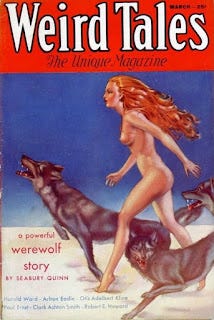
Clark Ashton Smith (Grognardia): Clark Ashton Smith’s cycle of stories set on Earth’s last continent, Zothique, has long been a personal favorite of mine. For that reason, I assumed I had already written a Pulp Fantasy Library post about each of its tales. I was mistaken.
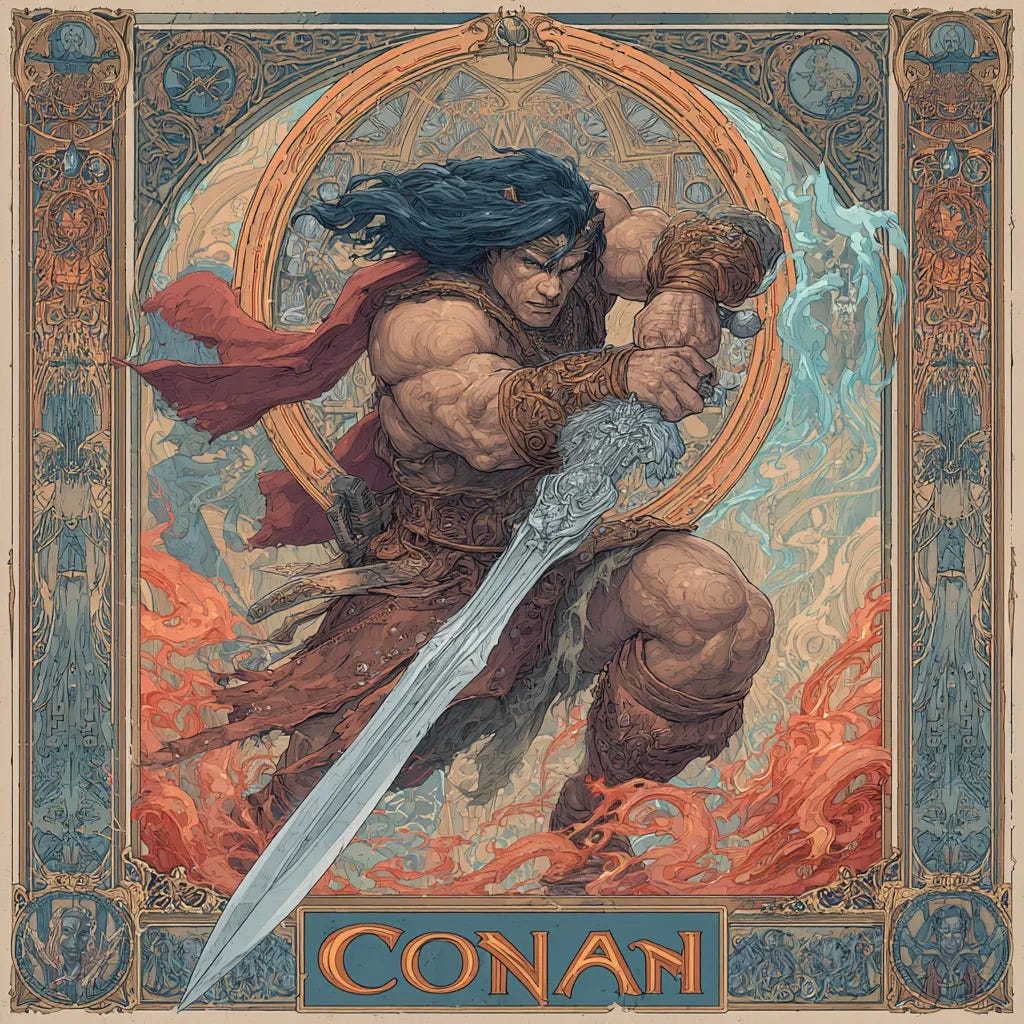
Robert E. Howard (Spear of Heaven): Modern fantasy fiction is a child of two fathers, and Robert E. Howard. If Tolkien helped build what we now call High Fantasy, Howard is the originator of its sister sub-genre, sword and sorcery. Both men are rightly considered the fathers of fantasy, yet it is hard to image two men who were more different from one another. Tolkien was the prototypical tweedy Oxford don, while Howard spent his life around his hometown of Cross Plains in Texas.
Magazine (Pulp Super Fan): We now have the annual issue of Blood ‘n’ Thunder, the Blood ‘n’ Thunder 2025 Special Edition, from Murania Press, but instead of showing up just prior to the Windy City Pulp and Paper Convention, it was at Pulpfest. This is the fifth such annual edition, going back to 2021. I’ve reviewed the prior volumes here.
Tolkien (The Everyman Reads): Welcome to my first Character Breakdown on this channel. This one is about perhaps my new favorite Dark Queen of Fantasy: Ayesha, from H. Rider Haggard’s 1887 novel “She”. Hope you enjoy it!